Futurion
 · Maria Kovaleva · Articles · 2 min read
Chinese scientists find way to slow ageing
Two Chinese studies published in the journal Cell demonstrate that metformin reduced biological age in macaques by the equivalent of 15–18 human years, and that SRC cells achieved multisystem rejuvenation without detectable adverse effects.
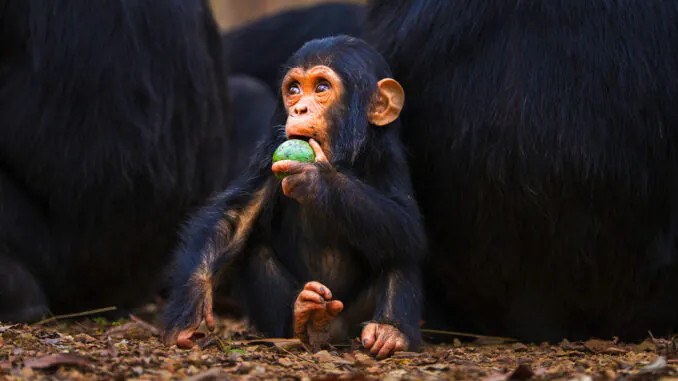
Metformin slows ageing in macaques
Source: Chinese Academy of Sciences — “Chinese Scientists Uncover Metformin’s Potential to Delay Aging in Primates” (published in Cell, September 2024)
🔍 What they did
The researchers treated macaques with metformin (a diabetes medication) for approximately 40 months.
They analysed tissues, genomic and epigenomic markers of ageing (known as “molecular clocks”), as well as organ function.
💡 What they found
Metformin reduced the biological age of tissues by approximately 6 years in the monkeys, which would be roughly equivalent to 15–18 years in humans.
In the brain, less atrophy and cognitive improvements were observed.
Deterioration of bones, liver, lungs, and muscles was also slowed.
⚠️ What must be understood
This is a study conducted in primates, not in humans; the effects cannot be directly extrapolated.
Doses, treatment duration, and physiological conditions differ.
Potential long-term side effects in humans remain unknown.
2. Senescence-resistant cells (SRCs): another pathway to rejuvenation
Source: “Senescence-resistant human mesenchymal progenitor cells counter aging in primates” (Cell, June 2025) — researchers from the Chinese Academy of Sciences and Capital Medical University.
🔍 What they did
They created genetically modified human mesenchymal progenitor cells engineered to be resistant to ageing (SRCs).
These were administered to elderly macaques (equivalent to humans aged 60–70 years) over 44 weeks, twice weekly by intravenous infusion.
What they found
The SRCs produced multisystem rejuvenation: reduced inflammation, improved cognitive function, and reduced deterioration in the brain, bones, liver, lungs, and muscles.
Ageing markers in some tissues returned to levels similar to those of young animals.
No tumours or adverse effects were observed during the study.
⚠️ Limitations
Follow-up was 44 weeks, which is insufficient to determine long-term effects.
The use of human cells could trigger immune reactions in prolonged treatments.
Again, these are monkeys, not humans. The results are promising but preliminary.
🤔 Why this matters
Metformin, being an already well-established and safe drug in humans, opens the door to clinical trials on longevity.
Cell therapies, although more complex, could become powerful tools in regenerative medicine.
Both studies demonstrate that ageing may not be entirely irreversible.
⚠️ What should not be done
Do not modify treatments or self-medicate in pursuit of “rejuvenation”. Be wary of promises or products claiming to “reverse ageing by 20 years”. Science is advancing, but much more work remains before this can be safely applied in humans.
Do you want to look after your health, mobility and independence in a Mediterranean setting? Discover our Longevity Experience in Valencia.