Futurion
 · Maria Kovaleva · Articles · 2 min read
UK celebrates birth of first baby after uterus transplant from deceased donor
Hugo was born at Queen Charlotte's and Chelsea Hospital in London, becoming the first baby in the UK and the third in Europe gestated in a transplanted uterus from a deceased donor, opening new hope for women with MRKH syndrome.
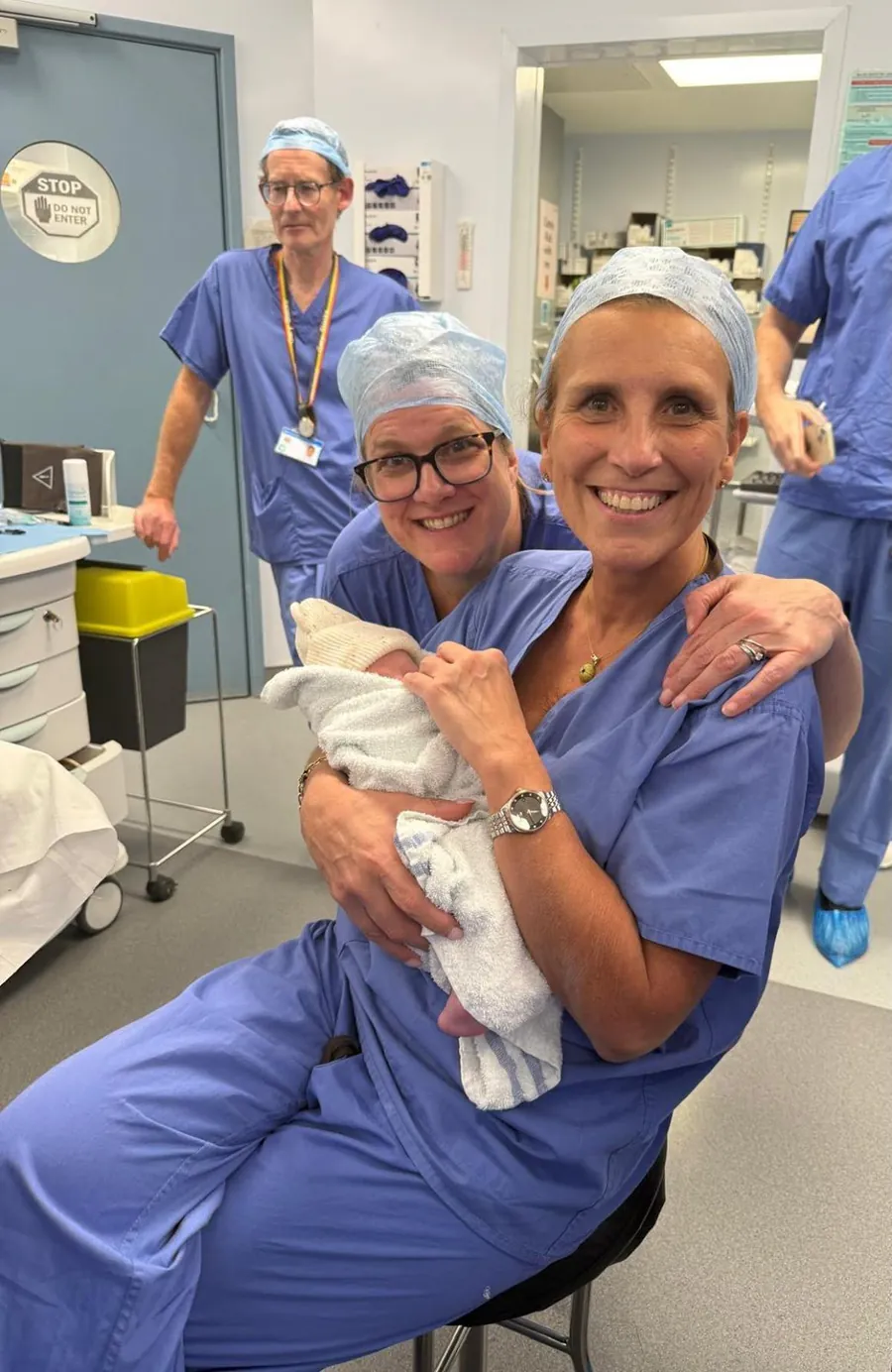
The United Kingdom has marked a historic medical milestone with the birth of the first baby gestated in a uterus transplanted from a deceased donor. The infant, named Hugo, was born at Queen Charlotte’s and Chelsea Hospital in London, as part of a pioneering research project in fertility and organ transplantation.
An extraordinary case
The mother, Grace Bell, was born without a uterus due to Mayer-Rokitansky-Küster-Hauser (MRKH) syndrome, a rare condition that prevents women from carrying a pregnancy naturally. Thanks to the uterus transplant from a deceased woman, Grace was able to conceive through in vitro fertilisation (IVF) and ultimately give birth to her son. This is the first case in the United Kingdom and only the third in Europe in which a baby has been born following a uterus transplant from a deceased donor.
Implications for medicine
This success represents a significant advance in reproductive medicine and transplantology:
Expanding options for women without a uterus
Women who are born without a uterus or who lose theirs due to illness or injury may now have the opportunity to carry their own pregnancy, without depending solely on adoption or surrogacy.
Progress in complex transplants
Uterus transplantation is a complex surgical procedure requiring the restoration of the organ’s blood supply and hormonal function. Achieving a successful pregnancy with a uterus from a deceased donor demonstrates that these operations can be viable beyond living donors.
Scientific and research value
Each case provides crucial data on the long-term function of the transplanted uterus, the immune system response, and IVF protocols, thereby accelerating innovation in treatments for severe infertility.
Looking ahead
The success of this transplant demonstrates that assisted reproduction and transplant surgery can be combined to offer new possibilities to women with previously irreversible conditions. With ongoing research and optimised protocols, this achievement could transform the way medicine approaches infertility.
Spain has one of the most highly regarded healthcare systems in the world. If you are thinking of spending time here or retiring here, discover our Senior Medical Program and the options for Retirement in Spain.