Futurion
 · Maria Kovaleva · Articles · 3 min read
Spain chains 33 years as world leader in organ transplantation
Spain breaks its own record in 2024 with 6,464 organ transplants, consolidating 33 consecutive years as world leader with a rate of 52.6 donors per million inhabitants, well above the European average.
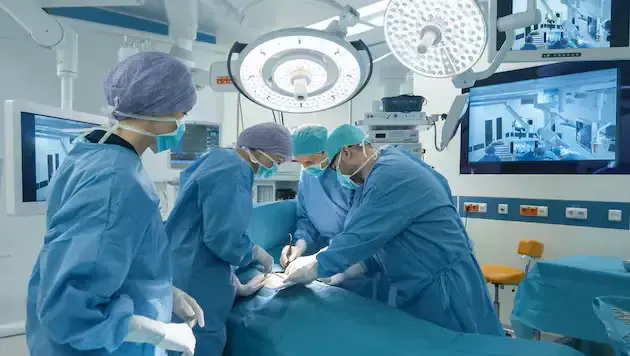
Source: El Pais
Spain has distinguished itself as world leader in organ transplantation for 33 consecutive years, and broke its own record in 2024 with 6,464 transplants, representing an increase of 10% compared with 2023.
“We are unbeatable in solidarity; never in history has such activity been recorded — it is a figure that moves us,” declared the Minister of Health, Mónica García, when presenting the annual report on donations and transplants.
Key figures and international comparisons
Spain’s donor rate reached 52.6 donors per million inhabitants (p.m.p.), well above the European average of 22.9 p.m.p.
In other countries:
United States: ~ 48.1 donors p.m.p.
Germany: 11.65
Italy: 29.4
France: 27.6
Sweden: 25.2
United Kingdom: 22.4
Spain surpassed the target that the Organización Nacional de Trasplantes (ONT) had set for 2022: reaching 50 donors per million inhabitants. That goal had been delayed by the impact of the COVID-19 pandemic.
Types of donors and system operation
In 2024, 2,562 people donated their organs following death, a figure that grew by 9% compared with the previous year.
In addition, 404 citizens made living donations (mainly kidneys or livers for family members, and in some cases altruistically to unknown recipients).
On average, Spain recorded 8 donations and 17 transplants every day.
The profile of deceased donors reflects a certain trend towards older ages:
59% were over 60 years of age
31% were over 70 years of age
5% were over 80 years of age
The oldest donor was 88 years old
Many of these individuals had suffered a stroke as the cause of death.
Types of transplants and growth
The transplants performed in 2024 in total were distributed as follows:
Renal: 4,047
Hepatic: 1,344
Cardiac: 347
Pancreatic: 98
Intestinal: 5
Pulmonary: 623 (this type showed notable growth of 30% compared with 2023)
Asystole donation also increased significantly (i.e., where the donor suffers cardiorespiratory arrest before being declared to have suffered brain death). In 2024 there were 1,316 asystole donors, a growth of 25% over 2023. This type now accounts for more than half of all donors in Spain.
Spain is one of the few countries that transplants all types of organs from asystole donors.
Regional contribution and interterritorial coordination
The autonomous communities play a key role: some regions such as Cantabria achieved rates of 95 donors per million inhabitants. They are followed by Navarra, Extremadura and Murcia, with more than 60 donors p.m.p.
The exchange of organs between autonomous communities was significant: 1,428 transplants (23% of the total) were performed thanks to interterritorial exchange. Furthermore, 7% of recipients were operated on in a community other than their place of residence. This highlights the importance of a coordinated national system.
The Minister also noted that, although the private healthcare sector collaborates, its integration into the national coordination system is still slower than desirable.
Final reflections and future challenges
The Minister of Health, Mónica García, emphasised that behind each statistic are lives saved, and that this level of activity would not be possible without the generosity of donors and their families, together with the strength of the healthcare system.
The Director of the ONT, Beatriz Domínguez-Gil, commented that chronological age is not automatically a barrier to donation; what matters is the condition of the organs.
Among the challenges ahead is designing new strategies to make transplant therapy available to all who need it with the shortest possible waiting times and guaranteed outcomes.
Spain has one of the most highly regarded healthcare systems in the world. If you are thinking of spending time here or retiring here, discover our Senior Medical Program and the options for Retirement in Spain.